
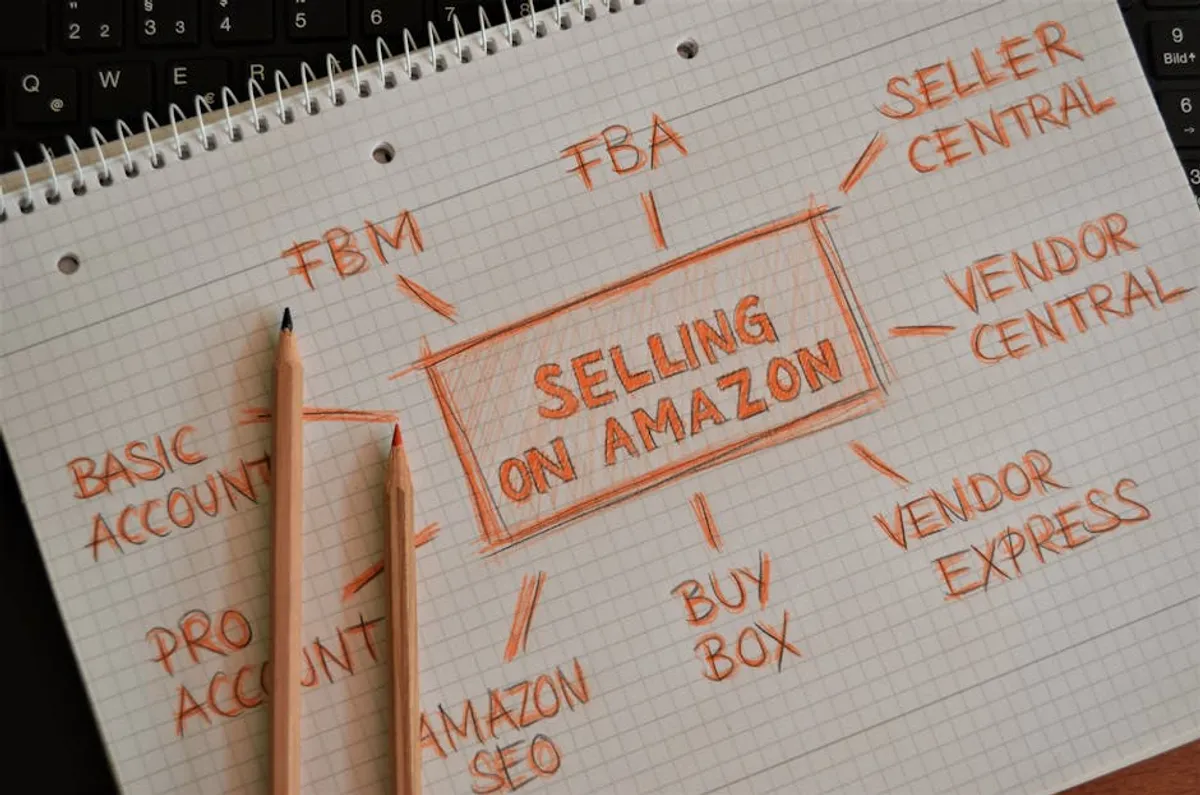
Amazon Vine provides a direct channel for sellers to secure early product reviews on new or low-reviewed items listed on Amazon. Its primary function is to generate credible, unbiased feedback from a select group of trusted reviewers, known as Vine Voices. For brands, this translates into increased product visibility, enhanced search ranking potential within Amazon, and a foundational layer of social proof critical for initial sales velocity. However, its exclusive nature, cost structure, and Amazon-centric focus prompt many businesses to explore alternative strategies for review generation and broader user-generated content (UGC) acquisition. This guide delves into the operational aspects of Amazon Vine and then presents a range of alternatives, each offering distinct advantages for different business models and marketing objectives.
Understanding Amazon Vine: Login, Features, and Uses
Amazon Vine operates as an invite-only program for both sellers and reviewers. Sellers enroll eligible products, typically new or pre-release items, into the program. Amazon then offers these products free of charge to a curated group of reviewers, known as Vine Voices, who are selected based on the helpfulness and quality of their past reviews. These reviewers are obligated to provide honest, unbiased reviews, whether positive or negative.
Login and Reviewer Experience: Vine Voices access a dedicated portal within their Amazon account. Upon login, they see a personalized list of products available for review, categorized by interest and past review history. They can claim products, which are then shipped to them at no cost. The expectation is that a review will be submitted within a specified timeframe, usually 30 days. These reviews are distinguished by a "Vine Voice" badge, signaling their origin from a trusted program participant.
Seller Features: For sellers, the core feature is the ability to obtain initial reviews quickly. Products enrolled in Vine benefit from:
- Early Review Generation: Essential for new product launches to establish credibility.
- Enhanced Visibility: Reviews contribute to Amazon's search algorithm, potentially improving product ranking.
- Credibility: Vine reviews are perceived as highly trustworthy due to the program's stringent selection criteria for reviewers and Amazon's direct oversight.
- Feedback Loop: While sellers cannot influence review content, the feedback can offer insights into product performance and customer satisfaction.
Uses: Amazon Vine is primarily used for:
- New Product Launches: To overcome the "zero review" barrier.
- Low-Reviewed Products: To boost products with insufficient social proof.
- Product Variations: To ensure all variations (e.g., size, color) have reviews.
- Seasonal or Niche Items: To gain traction in specific market segments.
Despite its benefits, Amazon Vine has limitations. It is costly, exclusive to Amazon, and sellers have no direct interaction with reviewers or control over review content. These factors often lead businesses to seek alternative strategies for broader review acquisition, direct customer engagement, and multi-platform social proof.
What to Look For in a Review Generation Alternative
When evaluating alternatives to Amazon Vine, consider the following criteria to align with specific business goals:
- Review Authenticity and Compliance: Ensure the platform's methods for generating reviews comply with relevant regulations (e.g., FTC guidelines) and platform-specific rules (e.g., Amazon's TOS on incentivized reviews). Authenticity is paramount for consumer trust.
- Platform Reach: Determine if you need reviews exclusively for Amazon, your own e-commerce site, social media, or broader independent review sites. Some solutions specialize, while others offer multi-channel integration.
- Cost Structure: Compare pricing models, which can range from subscription fees, per-review costs, commission-based models, or product seeding expenses. Evaluate the return on investment (ROI) based on your budget and expected review volume.
- Control and Customization: Assess the level of control you have over reviewer selection, communication, and the types of content generated (e.g., text, photos, videos). Some platforms offer more direct engagement than Vine.
- Integration Capabilities: Look for seamless integration with your existing e-commerce platform (e.g., Shopify, Magento), CRM, or marketing automation tools to streamline the review collection process.
- Review Moderation and Management: Understand how reviews are moderated, whether you have tools to respond to feedback, and how negative reviews are handled.
- Type of Content Generated: Beyond star ratings and text, consider if you need photo reviews, video testimonials, Q&A, or social media mentions.
- Target Audience Specificity: Some platforms allow for targeting specific demographics or psychographics, which can be crucial for niche products.
1. Influenster
Influenster is a product discovery and review platform that connects brands with a community of engaged consumers, primarily for product sampling and review generation. It operates by sending free products to its members (called "VoxBoxers") in exchange for honest reviews, social media posts, and other user-generated content. The platform is especially strong in the beauty, food, and lifestyle categories, leveraging its community for organic content creation and amplification across social channels.
Key Features: Product sampling campaigns, social media integration, detailed reviewer profiles (demographics, interests), review syndication, analytics on campaign performance.
Pricing: Custom pricing based on campaign scope, product volume, and desired reach. Generally structured as campaign fees.
Best For: Brands seeking to generate authentic reviews, social media buzz, and user-generated content across various platforms, especially in consumer goods sectors like beauty, food, and home.
Pros:
- Access to a large, active community of reviewers with significant social media reach.
- Generates diverse UGC beyond just text reviews, including photos and social posts.
- Provides detailed analytics on reviewer demographics and campaign impact.
- Reviews are often cross-posted to other retailers, extending reach beyond a single platform.
Cons:
- Less direct control over individual reviewer selection compared to some influencer platforms.
- Primarily focused on product sampling, which requires providing free products.
- Campaign setup and management can be more involved than simpler review aggregators.
- Reviewers are not explicitly Amazon-focused, so direct Amazon review volume may vary.
2. RebateKey
RebateKey is a platform designed to help Amazon sellers boost sales and generate reviews by offering products at a discount or as a rebate. Sellers list their products on RebateKey, and buyers purchase them on Amazon at full price, later receiving a rebate directly from RebateKey. This mechanism incentivizes purchases, which can lead to organic reviews, while strictly adhering to Amazon's terms of service regarding incentivized reviews (as the rebate is handled off-Amazon and not contingent on a review).
Key Features: Product listing service, rebate management, buyer verification, sales tracking, anti-fraud measures.
Pricing: Per-rebate fee, typically a small fixed amount, plus the cost of the rebate itself. No monthly subscription for sellers.
Best For: Amazon sellers looking to increase sales velocity, improve product ranking, and organically generate reviews without directly incentivizing review submission.
Pros:
- Directly drives sales on Amazon, which positively impacts ranking.
- Compliant with Amazon's terms of service for incentivized purchases (not reviews).
- Can generate a high volume of sales quickly, leading to more organic reviews.
- Simple and straightforward platform for managing rebates.
Cons:
- Review generation is not guaranteed, as it's an organic outcome of increased sales.
- Requires offering significant discounts or full rebates, impacting profit margins.
- Focuses solely on Amazon, not suitable for multi-platform review needs.
- Risk of attracting "deal seekers" who may not become long-term customers.
3. Snagshout
Snagshout operates similarly to RebateKey, offering a platform where Amazon sellers can provide promotional discounts on their products to a community of shoppers. The goal is to drive sales volume, which then naturally increases the likelihood of organic customer reviews. Shoppers discover deals, purchase products on Amazon at the discounted price, and are encouraged (but not required or incentivized) to leave a review after their purchase. The platform emphasizes sales velocity and product ranking improvements.
Key Features: Discount campaign creation, shopper community, sales tracking, anti-abuse measures, keyword targeting options.
Pricing: Monthly subscription tiers based on the number of active campaigns or products, plus the cost of the discounts provided.
Best For: Amazon sellers focused on increasing sales volume, improving Best Seller Rank (BSR), and indirectly generating organic reviews through discounted sales campaigns.
Pros:
- Effective for boosting sales velocity and Amazon BSR.
- Provides a large community of active shoppers looking for deals.
- Can be used for new product launches or to clear excess inventory.
- Compliant with Amazon's terms of service regarding review solicitation.
Cons:
- Review generation is an indirect outcome and not guaranteed for every sale.
- Requires offering substantial discounts, reducing immediate profitability.
- Primarily Amazon-focused, limiting utility for other e-commerce channels.
- May attract price-sensitive customers who are less likely to become loyal brand advocates.
4. Trustpilot
Trustpilot is an independent, global review platform that allows consumers to review businesses and products across various industries. Unlike Amazon-specific programs, Trustpilot focuses on collecting and displaying reviews that build overall brand trust and credibility, often appearing prominently in search engine results. Businesses can invite customers to leave reviews, showcasing their customer service and product quality to a broader audience beyond specific marketplaces.
Key Features: Business profile pages, review invitation tools, review management dashboards, trust score, rich snippet integration for SEO, API for custom integrations.
Pricing: Offers a free basic plan for collecting and responding to reviews. Paid plans include advanced features like automated invitations, analytics, and marketing tools. Pricing varies by feature set and review volume.
Best For: Businesses aiming to build overall brand reputation, collect service and product reviews across their entire operation, and leverage independent social proof for SEO and customer acquisition beyond Amazon.
Pros:
- Builds brand trust and credibility independently of specific marketplaces.
- Reviews can improve SEO performance through rich snippets.
- Provides a public platform for responding to feedback, demonstrating customer service.
- Supports various review types, including service and product reviews.
Cons:
- Reviews are not directly tied to Amazon listings, so they don't directly impact Amazon ranking.
- Requires active management to invite customers and respond to reviews effectively.
- Negative reviews are publicly visible, requiring a robust customer service strategy.
- Paid plans can become costly for extensive feature sets.
5. Grin
Grin is an influencer marketing platform designed to help brands discover, recruit, manage, and pay content creators and brand ambassadors. It facilitates authentic partnerships, allowing brands to leverage influencers for product reviews, social media content, blog posts, and more. Grin emphasizes direct relationships with creators, enabling brands to scale their user-generated content efforts beyond traditional review platforms and into broader marketing campaigns.
Key Features: Influencer discovery (database of over 100 million creators), relationship management (CRM), campaign management, content approval workflows, payment processing, performance analytics, product seeding tools.
Pricing: Custom enterprise pricing, typically based on the number of users, features, and influencer relationships managed. No public pricing tiers are available.
Best For: Brands seeking to build long-term relationships with authentic content creators, generate diverse user-generated content (including reviews), and integrate influencer marketing into a comprehensive strategy.
Pros:
- Enables creation of highly authentic and diverse content beyond simple product reviews.
- Facilitates direct, long-term relationships with brand advocates and influencers.
- Offers extensive tools for managing large-scale influencer campaigns.
- Provides detailed analytics on influencer performance and ROI.
Cons:
- Requires significant investment in time and resources for relationship building and campaign management.
- Custom pricing model can be cost-prohibitive for smaller businesses.
- Review generation is part of a broader content strategy, not the sole focus.
- Success is highly dependent on effective influencer selection and brief development.
6. ReferralCandy
ReferralCandy is a referral marketing platform that helps e-commerce stores generate sales and customer referrals by incentivizing existing customers to share products with their networks. While its primary focus is on driving new customer acquisition through word-of-mouth, it indirectly facilitates review generation by increasing the customer base and encouraging positive sentiment. Satisfied referred customers are more likely to leave reviews, and the platform can be integrated with review request systems.
Key Features: Automated referral programs, customizable rewards (cash, discounts, store credit), fraud detection, integration with e-commerce platforms (Shopify, WooCommerce), performance analytics.
Pricing: Monthly subscription plans with a commission on referred sales. Tiers vary based on sales volume and features.
Best For: E-commerce businesses looking to leverage their existing customer base for new customer acquisition and indirectly foster organic reviews through a strong referral program.
Pros:
- Leverages existing customer loyalty to drive new sales and potential reviews.
- Automates the entire referral process, reducing manual effort.
- Offers flexible reward options to motivate advocates.
- Integrates seamlessly with popular e-commerce platforms.
Cons:
- Review generation is an indirect benefit, not a primary feature.
- Requires an existing customer base to be effective.
- Commission-based pricing can add up with high referral sales.
- Less suitable for immediate, high-volume review generation for new products.
7. Yotpo
Yotpo is a comprehensive e-commerce marketing platform specializing in user-generated content (UGC), including customer reviews, ratings, photos, and Q&A. It helps brands collect, display, and leverage UGC across their own websites, social media, and other marketing channels. Yotpo's strength lies in its ability to centralize various forms of social proof, integrate with major e-commerce platforms, and provide tools for turning customer content into marketing assets.
Key Features: Review and rating collection (email, SMS, on-site widgets), photo and video reviews, Q&A, review syndication, loyalty and referral programs, visual UGC collection (Instagram), AI-powered insights.
Pricing: Offers a free basic plan for review collection. Paid plans are tiered based on features, monthly order volume, and advanced integrations. Custom pricing for enterprise solutions.
Best For: E-commerce brands (especially DTC) seeking a holistic solution for collecting, managing, and showcasing all forms of user-generated content, including reviews, on their own websites and across marketing channels.
Pros:
- Provides a comprehensive suite of UGC tools beyond just reviews.
- Strong integration with popular e-commerce platforms like Shopify and Magento.
- Helps build social proof directly on a brand's own website, increasing conversion rates.
- Offers advanced features like AI insights and loyalty programs.
Cons:
- Less focused on driving reviews specifically to Amazon listings.
- Advanced features and higher review volumes can lead to significant costs.
- Requires active management to optimize review collection and display.
- Can be complex to set up and fully utilize all features for smaller teams.
How to Choose the Right Alternative
Selecting the optimal alternative to Amazon Vine requires a clear understanding of your specific objectives. If your primary goal is to boost sales and organic reviews on Amazon for new products, platforms like RebateKey or Snagshout, which drive incentivized purchases (not reviews), are direct contenders. These tools are effective for improving Amazon BSR and increasing the likelihood of post-purchase reviews. However, they come with the cost of significant discounts or rebates.
For brands focused on building overall brand reputation and collecting authentic, independent reviews across multiple channels, Trustpilot offers a robust solution. It enhances SEO visibility and provides a public forum for customer feedback, though it doesn't directly impact Amazon rankings. If your strategy involves leveraging social media and diverse user-generated content, Influenster provides access to a community of engaged reviewers who amplify content beyond simple text reviews.
For direct-to-consumer (DTC) brands prioritizing comprehensive UGC on their own e-commerce sites, Yotpo is a powerful platform for collecting and showcasing reviews, photos, and Q&A, directly influencing on-site conversion. Finally, if nurturing long-term customer relationships and scaling influencer partnerships is key, Grin offers extensive tools for managing creators, while ReferralCandy empowers existing customers to become advocates, indirectly boosting review volume through increased sales and loyalty.
Consider your budget, the specific platform(s) where you need reviews, your desired level of control over the review process, and the type of content you aim to generate. A blended strategy, combining elements from several alternatives, might also be the most effective approach for comprehensive social proof generation.
FAQ
What is the main difference between Amazon Vine and its alternatives?
Amazon Vine is an Amazon-exclusive program where Amazon directly manages product distribution to Vine Voices for unbiased reviews, primarily for new or low-reviewed products on its marketplace. Alternatives typically offer broader review generation strategies, often extending beyond Amazon to other e-commerce sites, social media, or independent review platforms, with varying levels of seller control and cost structures.
Are incentivized reviews allowed on Amazon?
Amazon's policy strictly prohibits incentivized reviews where a product or compensation is given in exchange for a review. However, programs like RebateKey and Snagshout operate by incentivizing purchases (via discounts or rebates) off-Amazon, which can then lead to organic, un-incentivized reviews, remaining compliant with Amazon's terms of service.
Can I use these alternatives for product launches outside of Amazon?
Yes, many alternatives are designed for broader e-commerce and brand-building purposes. Platforms like Trustpilot and Yotpo are excellent for collecting reviews on your own website, while Influenster and Grin can generate social media buzz and content for products launching across various online channels or direct-to-consumer stores.
How do I ensure review authenticity with alternatives?
Review authenticity is crucial. Look for alternatives that have robust verification processes (e.g., verifying purchases, unique reviewer IDs), clear disclosure requirements for incentivized content (if applicable), and strong moderation policies. Platforms like Trustpilot are built on independent verification, while influencer platforms like Grin focus on authentic creator relationships.
What is the typical cost of using review generation alternatives?
Costs vary significantly. Some platforms offer